Energy Saving Tips from Sanks Mechanical

Control Your Indoor Comfort and Lower Your Utility Bills
Lowering your energy bills doesn’t have to mean sacrificing comfort. With smart habits and a few upgrades to your HVAC system, hot water use, and electrical appliances, you can save money while reducing your home’s environmental footprint. Here are some practical energy-saving tips to keep your home running efficiently year-round.

HVAC Services
Contact Us Today By Filling Out The Form Below
Understand Your Home’s Carbon Footprint
Understanding your home’s carbon footprint is essential because it helps you see how your daily energy use and lifestyle choices impact the environment. From heating and cooling systems to appliances and water usage, every aspect of your home contributes to greenhouse gas emissions. By identifying where most of your energy is consumed, you can make smarter decisions like upgrading to energy-efficient systems, improving insulation, or reducing unnecessary electricity use, that not only lower your environmental impact but also save you money on utility bills. Ultimately, being aware of your home’s carbon footprint empowers you to take meaningful steps toward sustainability while creating a healthier, more efficient living space.
HVAC Energy-Saving Tips
Your heating and cooling system uses more energy than almost any other part of your home. That’s why efficiency matters most here.
- Schedule Regular Maintenance
Annual tune-ups help your system run at peak efficiency, preventing breakdowns and reducing wasted energy. A clean, well-maintained system doesn’t have to work as hard to keep your home comfortable. - Replace Air Filters Frequently
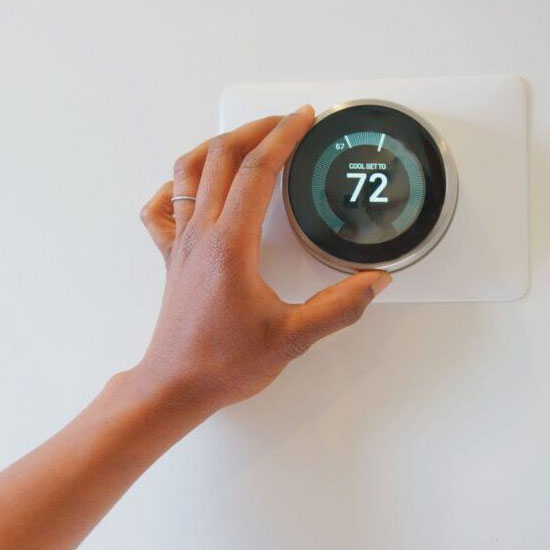
Dirty air filters restrict airflow, forcing your HVAC system to consume more power. Replace filters every 1–3 months depending on usage and household conditions (pets, allergies, etc.). Indoor air quality actually plays a big part in efficiency. - Upgrade to a Programmable or Smart Thermostat
Programmable thermostats let you reduce heating and cooling when you’re away or asleep. Smart thermostats go a step further by learning your habits and adjusting automatically. These upgrades can cut energy usage by up to 10–15% annually. - Seal Air Leaks and Insulate
Drafts around windows, doors, or ductwork cause conditioned air to escape. Proper insulation and sealing air leaks reduce energy waste and lighten the load on your HVAC system. - Consider an Energy-Efficient Replacement
If your system is more than 10–15 years old, upgrading to a high-efficiency model can significantly lower your monthly bills. Modern HVAC systems use far less energy while delivering better comfort. 2-stage or inverting systems can really make a difference.

Save Energy and Stay Comfortable with Sanks
At Sanks, we’re proud to be your local HVAC experts. Our team is highly trained and experienced in all aspects of heating, cooling, and indoor air quality, from routine maintenance and emergency repairs to complete system replacements. We stay up to date on the latest energy-efficient technologies and best practices, ensuring every installation and repair is done right the first time. Whether your system needs a quick fix or a full upgrade, you can count on Sanks for reliable, professional service that keeps your home comfortable year-round.
Water Heater Energy-Saving Tips
Water heating is often the second largest energy expense in a home. Small changes in usage and equipment can create big savings.
- Lower Your Water Heater Temperature
Most units are set to 140°F by default, but lowering it to 120°F saves energy and reduces the risk of scalding without sacrificing comfort. - Insulate Your Water Heater and Pipes
Adding an insulating blanket to your water heater tank and foam sleeves to exposed pipes reduces heat loss, helping hot water stay hotter for longer. - Install Low-Flow Fixtures
Low-flow showerheads and faucets cut down water use without affecting water pressure. This means less hot water is used, lowering both water and energy bills. - Fix Leaks Promptly
A small drip can waste gallons of hot water daily. Repairing leaky faucets and showerheads keeps your water heater from working overtime. - Consider a Tankless Water Heater
Tankless systems heat water on demand instead of keeping a full tank hot all day. While the upfront cost can be higher, the long-term energy savings are substantial.
Electrical Energy-Saving Tips
Cutting back on wasted electricity goes beyond simply turning off lights. With a few simple strategies, you can make your entire home more efficient.
- Switch to LED Lighting
LED bulbs use up to 75% less energy than traditional incandescent bulbs and last significantly longer. Swapping out your home’s lighting is one of the easiest energy upgrades you can make. - Unplug Phantom Power Devices
Electronics like TVs, gaming consoles, and chargers continue to use power even when turned off. Use power strips or smart plugs to cut off energy to these “phantom load” devices when not in use. - Use Appliances Wisely
Run dishwashers and washing machines with full loads, and air-dry dishes or clothes when possible. Using cold water for laundry can also make a big difference. - Take Advantage of Natural Light and Airflow
Open blinds during the day to reduce lighting needs, and use ceiling fans to help distribute air more efficiently. This allows you to rely less on HVAC and artificial lighting. - Upgrade to Energy-Efficient Appliances
When it’s time to replace refrigerators, washing machines, or dryers, choose ENERGY STAR®-rated models. These appliances are designed to consume less electricity and water without sacrificing performance.
Contact Sanks Today to Discuss Your Needs
Improving your home’s efficiency is about more than saving money, it’s also about keeping your home comfortable and your systems running reliably. If your HVAC system is old, struggling, or costing too much to operate, it may be time to explore repair or replacement options. Contact Sanks today to discuss your HVAC needs. Our experienced team can help you find the right solution to keep your home comfortable while lowering your energy bills.