Upgraded Thermostat Installation

Indoor Air Quality
Take Control of Your Indoor Comfort
Your thermostat is the command center of your home’s heating and cooling system. While many homeowners focus on upgrading furnaces, air conditioners, and heat pumps, an upgraded thermostat installation can provide significant improvements in comfort, convenience, and energy efficiency without the cost of replacing major HVAC equipment.
Modern smart thermostats do much more than simply control temperature. They help optimize HVAC performance, reduce energy consumption, provide remote access, and even integrate with indoor air quality systems. Whether you’re replacing an outdated manual thermostat or upgrading an older smart thermostat, installing a new model can be one of the most effective ways to enhance your home’s comfort.
Contact Us Today By Filling Out The Form Below
Do I Need to Upgrade My Thermostat?
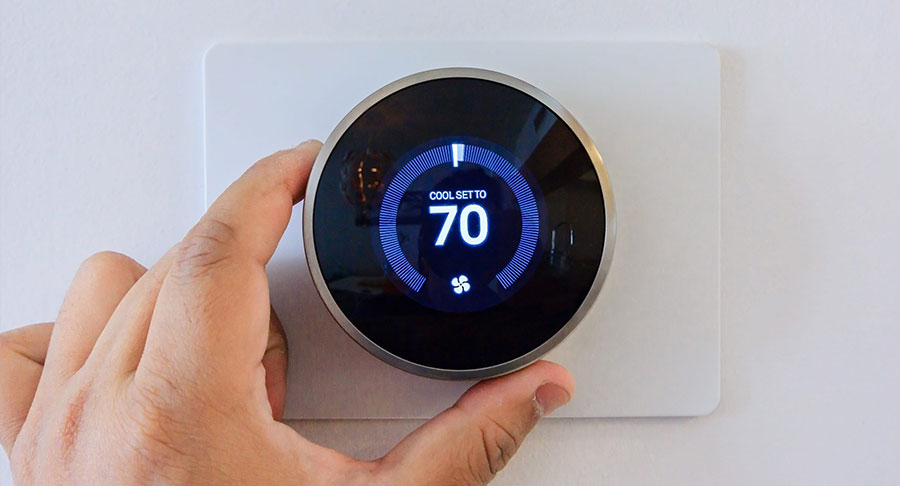
An upgraded thermostat installation involves replacing an existing thermostat with a more advanced, often smart thermostat that offers enhanced features and greater control over your heating and cooling system. Today’s smart thermostats can monitor occupancy, humidity levels, and system performance while providing detailed energy reports and remote access through smartphone apps.
Thermostats have evolved considerably over the years:
- Manual thermostats require homeowners to make all temperature adjustments by hand.
- Programmable thermostats allow users to create heating and cooling schedules.
- Smart thermostats automatically learn preferences, connect to Wi-Fi, and make intelligent adjustments to maximize comfort and efficiency.

Benefits of Upgraded Thermostat Installation
Improved HVAC System Performance
An upgraded thermostat can help your heating and cooling equipment operate more efficiently. By optimizing run times and temperature management, smart thermostats help reduce unnecessary wear and tear on HVAC components. This can contribute to improved reliability and potentially extend equipment lifespan.
Modern thermostats communicate more effectively with advanced HVAC systems, including:
- High-efficiency furnaces
- Variable-speed air conditioners
- Heat pumps
- Multi-stage heating and cooling systems
- Zoned HVAC systems
Lower Energy Costs
One of the biggest reasons homeowners invest in upgraded thermostat installation is the potential for energy savings.
Smart thermostats automatically adjust temperatures based on your schedule and habits. Instead of heating or cooling an empty home, the system can reduce energy usage when you’re away and return to your preferred settings before you arrive.
Features such as learning technology, occupancy sensing, and geofencing help ensure your HVAC system operates only when needed. Over time, these energy-saving adjustments can help reduce monthly utility bills.
Enhanced Comfort Throughout Your Home
Older thermostats often rely on simple temperature readings and basic on/off commands. Modern smart thermostats provide a more sophisticated approach to climate control. Instead of constantly adjusting settings throughout the day, homeowners can enjoy a more comfortable indoor environment with minimal effort.
Advanced models can:
- Learn your daily routines
- Adjust temperatures automatically
- Reduce temperature fluctuations
- Maintain more consistent comfort levels
- Optimize HVAC run times
Convenient Remote Access
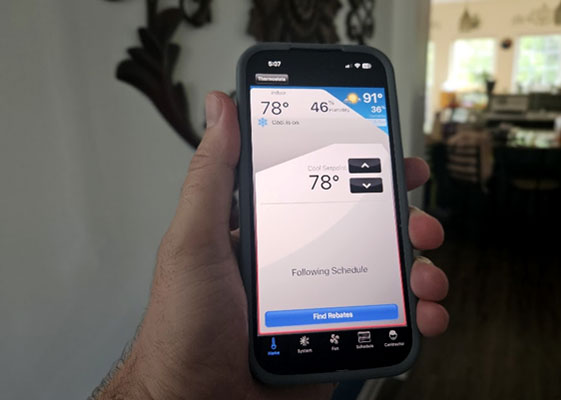
A major advantage of upgraded thermostat installation is the ability to control your HVAC system from virtually anywhere. Whether you’re returning from vacation or leaving work early, you can ensure your home is comfortable before you arrive.
Using a smartphone, tablet, or computer, homeowners can:
- Adjust temperature settings remotely
- Create and modify schedules
- Monitor energy usage
- Receive maintenance alerts
- Check system status
Smart Thermostats and Indoor Air Quality
Modern smart thermostats do much more than control temperature. They can also contribute to improved indoor air quality throughout your home. Many advanced models are designed to work alongside whole-home comfort systems, including humidifiers, dehumidifiers, air purifiers, and ventilation equipment. By monitoring indoor conditions and helping manage airflow and humidity levels, these thermostats create a more balanced and comfortable indoor environment.
Proper humidity control offers several important benefits, including reducing airborne allergens, discouraging mold and mildew growth, improving respiratory comfort, and helping protect wood flooring and furnishings from moisture-related damage. As more homeowners prioritize healthier indoor living spaces, smart thermostat technology is becoming an increasingly valuable tool for maintaining both comfort and indoor air quality year-round.
Signs It’s Time to Replace Your Thermostat
Many homeowners continue using outdated thermostats long after an upgrade would be beneficial. Consider upgraded thermostat installation if:
Your Thermostat Is More Than 10 Years Old
Technology has advanced significantly over the past decade. Older thermostats often lack modern energy-saving features and connectivity options.
Your HVAC System Recently Changed
If you’ve installed a new furnace, heat pump, or air conditioner, your existing thermostat may not fully support the capabilities of your upgraded equipment.
You’re Experiencing Temperature Inconsistencies
Hot and cold spots throughout the home can sometimes be traced to thermostat issues or outdated controls.
Your Energy Bills Are Increasing
A thermostat that fails to properly manage heating and cooling cycles may contribute to higher utility costs.
You Want More Control
Remote access, scheduling flexibility, and smart home integration are all compelling reasons to upgrade.
Choosing the Right Thermostat
Not every thermostat is suitable for every HVAC system. Selecting the right model requires careful consideration of several factors.
HVAC System Compatibility
The thermostat must be compatible with your specific heating and cooling equipment. This is especially important for:
- Heat pump systems
- Multi-stage systems
- Zoned systems
- Variable-speed equipment
Wiring Requirements
Many smart thermostats require a common wire, often called a C-wire, to provide continuous power. Older homes may require additional wiring modifications during installation. Having a professional install your new thermostat is always recommended.
Smart Home Integration
One of the biggest advantages of modern thermostat installation is the ability to integrate your HVAC system with other smart home technologies. Many smart thermostats are designed to work seamlessly with popular platforms such as Amazon Alexa, Google Home, and Apple HomeKit, allowing homeowners to adjust temperatures using voice commands or mobile apps. Some models can also connect with smart lighting systems and broader home automation platforms, creating a more convenient and connected living environment. Choosing a thermostat that is compatible with your existing smart home setup can enhance both comfort and convenience throughout your home.
Advanced Monitoring Features
Today’s smart thermostats offer a wide range of advanced features that help homeowners maximize comfort, efficiency, and control. Depending on the model, features may include learning capabilities that automatically adjust settings based on your daily habits, geofencing technology that responds to your location, and detailed energy usage reports that help identify opportunities for savings. Many units also provide humidity monitoring, maintenance reminders, and occupancy sensors that detect when rooms are in use. Selecting a thermostat with the right combination of features can help you get the most value from your upgraded thermostat installation while improving overall HVAC performance.
Why Professional Thermostat Installation Matters
Although thermostat replacement may appear straightforward, proper installation is critical to achieving reliable performance. Professional HVAC technicians can verify compatibility, install wiring correctly, configure system settings, and ensure all features function properly. A professional installation from Sanks also ensures the thermostat is calibrated accurately for optimal heating and cooling performance.
A Small Upgrade with Big Benefits To Indoor Comfort
Upgraded thermostat installation is one of the most cost-effective ways to improve home comfort, increase energy efficiency, and gain greater control over your HVAC system. From reducing utility bills and enhancing indoor air quality to providing remote access and smart home integration, today’s thermostats offer features that go far beyond simple temperature control.
If you’re ready to modernize your home’s comfort system, contact Sanks Mechanical to discuss professional thermostat installation services. Sanks’ experienced technicians can help you select the ideal thermostat for your HVAC system, provide expert installation, and ensure your new thermostat delivers the comfort, convenience, and energy savings you expect.