








When summer temperatures rise, homeowners depend on their air conditioning systems to keep their homes comfortable. At Sanks Mechanical, one of the most common cooling complaints we receive during the summer is weak airflow coming from vents, even when the air conditioner appears to be running normally. In many of the homes we service throughout Montgomery County, Bucks County, and the Philadelphia area, the problem can often be traced back to clogged air filters, restricted ductwork, or blower motor issues rather than a complete system failure. Identifying the cause early can often restore comfort, improve efficiency, and help prevent more expensive repairs down the road. Understanding the common causes of weak airflow can help you determine whether a simple fix is needed or if it’s time to call a professional.
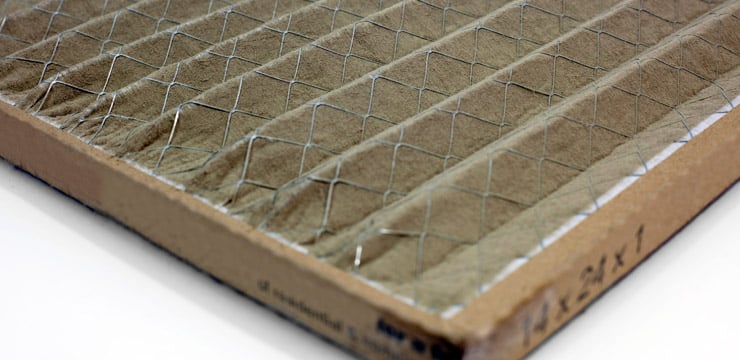
One of the most common reasons for weak airflow is a clogged or dirty air filter. Your HVAC system relies on proper airflow to circulate cooled air throughout your home. As dust, dirt, pet hair, and other debris accumulate on the filter, air has a harder time passing through.
A dirty filter can cause:
Most homeowners should inspect their air filters monthly and replace them every one to three months, depending on usage and household conditions.
Sometimes the problem isn’t with the air conditioner itself. Furniture, rugs, curtains, or other household items can accidentally block supply vents, restricting airflow into a room. In other cases, vents may have been closed intentionally and forgotten. Walk through your home and make sure all vents are fully open and unobstructed. Even partially blocked vents can affect airflow and system performance.
Your ductwork carries conditioned air throughout your home. Over time, ducts can collect dust and debris or develop leaks that allow cooled air to escape before it reaches your living spaces.
Signs of ductwork issues may include:
Professional duct inspections can identify leaks, disconnected sections, or blockages that may be reducing airflow.
Your evaporator coil is responsible for absorbing heat from indoor air. When airflow becomes restricted or refrigerant levels are low, the coil can freeze over. A frozen coil prevents the system from operating properly and often results in weak airflow coming from the vents.
Common causes of frozen coils include:
If you notice ice buildup around your indoor unit, it’s best to shut the system off and contact an HVAC professional.
The blower motor is the component responsible for pushing cooled air through your ductwork. If the motor is malfunctioning, wearing out, or operating at reduced capacity, airflow throughout the home may become noticeably weaker.
Some warning signs include:
Low refrigerant levels can affect your AC’s ability to cool your home efficiently. While low refrigerant doesn’t always directly cause weak airflow, it can contribute to frozen coils and other performance issues that ultimately reduce air circulation. Because refrigerant systems are sealed, low levels typically indicate a leak that requires professional diagnosis and repair.
As air conditioning systems age, components naturally wear down. Older systems may struggle to move air efficiently, even if they are still producing cool air. If your unit is more than 10 to 15 years old and airflow issues are becoming frequent, it may be time to consider replacement options.
A professional air conditioning evaluation can help determine whether repairs are still cost-effective or if upgrading to a newer, more efficient system would provide better long-term value.
Weak airflow can be caused by anything from a simple clogged filter to a more serious mechanical problem. Ignoring the issue can reduce comfort, increase energy costs, and place additional strain on your cooling system.
At Sanks Mechanical, our experienced technicians provide expert AC inspections, repairs, maintenance, and system replacements throughout Montgomery County, Bucks County, and the Philadelphia area. If you’re still wondering why your AC is blowing weak air, contact our team today to restore your home’s comfort and keep your system operating at peak performance all summer long.


